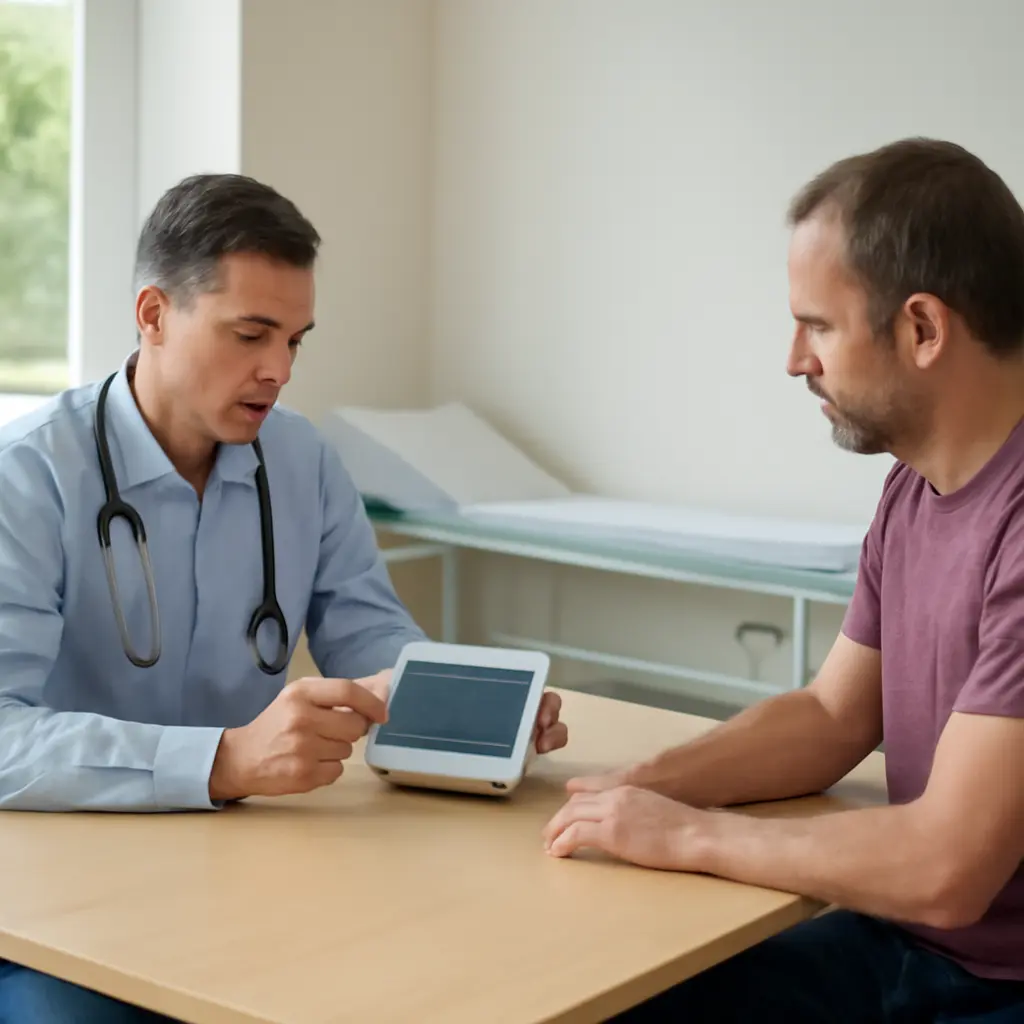
Continuous rhythm tracking means recording the heart’s electrical activity over time, rather than relying only on occasional checks. A cardiologist may suggest it when palpitations, fainting, an irregular pulse, or a known heart condition calls for a clearer picture of when rhythm changes happen. The right monitor can help connect symptoms to heart rhythms, detect episodes that a brief office ECG might miss, and guide decisions about follow-up or treatment. It is not a guarantee that every problem will be found, and “peace of mind” should come from a plan made with a clinician—not from a device alert alone.
Why cardiologists suggest continuous rhythm tracking
An electrocardiogram (ECG or EKG) records the heart’s electrical signals during the test. Because a standard ECG captures only a short period, an intermittent rhythm problem may not occur while the test is being done. Longer monitoring extends the observation window, making it more likely to capture an event that happens sporadically.
The American Heart Association describes ambulatory ECG monitoring as a way to record heart activity while a person goes about daily life. The monitor and recording period are chosen according to how often symptoms occur and what the clinician is trying to detect. Tracking is useful only when the information answers a clinical question; it does not replace an examination, an ECG when indicated, or urgent care for severe symptoms.
Matching the monitoring period to symptoms
A monitor worn for a day or two may suit symptoms that happen daily. If episodes are less frequent, a patch or event monitor worn for longer may provide a better chance of recording one. For very infrequent but concerning events, a cardiologist may discuss an implantable loop recorder, which can monitor heart rhythm over a much longer period. The choice depends on symptom frequency, medical history, and the reason for testing—not simply on a preference for the newest device.
Putting symptoms and rhythm together
A diary or symptom button can help mark when palpitations, dizziness, or other symptoms occur. Clinicians can compare those times with the recording. A symptom may coincide with an abnormal rhythm, but it may also occur while the rhythm is normal; either result can help shape the next step. The monitor can also record rhythm changes that a person does not feel, though whether those findings matter depends on the individual and the clinical context.
Types of continuous rhythm tracking
“Continuous rhythm tracking” can refer to several forms of ambulatory monitoring, with different wear times, recording methods, and capabilities. The National Institute for Health and Care Excellence (NICE) recommends selecting ambulatory ECG technology in light of how often atrial fibrillation is suspected: a shorter recording may be appropriate for frequent symptoms, while longer monitoring can be considered when episodes occur less often. That principle applies broadly: the monitoring window should fit the clinical question.
Holter monitors
A Holter monitor is a portable ECG recorder, commonly worn for 24 to 48 hours, that continuously records electrical activity. It is often used when symptoms occur frequently enough to be likely during that interval. Because it records continuously, it can show what the rhythm was before, during, and after a reported symptom.
Patch and event monitors
A patch monitor adheres to the chest and may record continuously for several days or longer, depending on the prescribed device. An event monitor is generally used over a longer period and may record when the wearer activates it or when the device detects a relevant rhythm. These approaches can be useful when symptoms are not daily, although the exact recording method varies by device.
Implantable loop recorders
An implantable loop recorder is a small device placed under the skin of the chest in a minor procedure. It can monitor rhythm for an extended period and is considered when important symptoms are infrequent or remain unexplained after less invasive tests. It is not a routine choice for everyone with palpitations; a cardiologist weighs the likely benefit against procedure-related risks and the patient’s circumstances.
Consumer watches and wearable ECG devices
Smartwatches and other consumer wearables can provide useful clues, such as a pulse irregularity notification or a single-lead ECG recording. They are not equivalent to a prescribed medical monitor, and a notification does not by itself diagnose atrial fibrillation or another condition. The U.S. Food and Drug Administration advises users to understand the limitations of health-related device features and to discuss concerning results with a healthcare professional rather than making treatment changes independently.
What tracking can reveal—and what it cannot
Extended monitoring may help identify arrhythmias such as atrial fibrillation, pauses, or unusually fast or slow rhythms, depending on the device and recording quality. It can also show that a reported sensation occurred without a recorded rhythm abnormality. These findings may help a clinician decide whether further testing, observation, or treatment is appropriate. A normal recording is reassuring only within its limits: it cannot rule out an event that did not occur during the monitoring period.
The value of longer observation is illustrated by the CRYSTAL AF trial, published in the New England Journal of Medicine. Among selected patients who had experienced a cryptogenic stroke, atrial fibrillation was detected by an insertable cardiac monitor in 8.9% by six months, compared with 1.4% with conventional follow-up; by 12 months, detection was 12.4% versus 2.0%. These results apply to that specific post-stroke population, not to everyone considering a monitor, but they show how longer surveillance can uncover intermittent episodes missed by usual follow-up.
Detection is not the same as a diagnosis or treatment decision
A recorded rhythm must be interpreted alongside symptoms, health history, and the quality of the signal. False alerts and unclear recordings can occur, particularly with consumer devices or movement-related interference. Even when an arrhythmia is confirmed, its significance and treatment depend on factors such as episode duration, stroke risk, other conditions, and patient preferences. Monitoring provides evidence for a decision; it does not make the decision on its own.
Comfort, limitations, and practical considerations
Most external monitors are designed for ordinary daily activities, but adhesive irritation, discomfort, charging or return instructions, and restrictions on bathing can affect the experience. Some devices require the wearer to keep a symptom log or press a button; others transmit data automatically. Ask the clinic what to do if an electrode loosens, a device produces an alert, or symptoms occur during the test.
Continuous tracking can also create worry, especially when an app produces repeated notifications without explaining their clinical importance. Before monitoring begins, clarify who reviews the data, when results will be available, and what symptoms require immediate attention. A monitor is not an emergency-response service unless the care team explicitly says otherwise.
When to seek urgent help
Seek emergency care for symptoms such as chest pain or pressure, severe shortness of breath, fainting, or signs of stroke, including sudden facial droop, weakness, or trouble speaking. Do not wait for a wearable alert or monitoring report if symptoms are severe or rapidly worsening. For new or recurring palpitations without emergency symptoms, contact the healthcare professional who arranged the monitoring.
How to prepare for a conversation with your cardiologist
A focused discussion can help ensure that monitoring addresses a meaningful question and that the result will be actionable. Consider asking:
- What rhythm problem are we trying to detect or rule out?
- How long should I wear the monitor, given how often my symptoms occur?
- Should I keep a symptom diary, and how do I mark an episode?
- Can I shower, exercise, sleep, and take my usual medicines while wearing it?
- Who will review the results, and when should I expect to hear back?
- What should I do if the device alerts me or I develop concerning symptoms?
Bring a list of medicines and note the timing, duration, and circumstances of symptoms—for example, whether they followed exercise, caffeine, illness, or a medication change. Do not stop prescribed medicines or start treatment based only on a wearable reading unless your clinician instructs you to.
Conclusion
Cardiologists suggest continuous rhythm tracking when a longer recording may reveal an intermittent problem that a brief ECG could miss, clarify whether symptoms coincide with rhythm changes, or support follow-up for a specific risk. Holter, patch, event, and implantable monitors serve different purposes, while consumer wearables offer clues rather than definitive diagnoses. The most reassuring approach is a monitor matched to the clinical question, a clear plan for interpreting results, and timely medical advice when symptoms are concerning. Ask your cardiologist what the test is intended to answer and how the findings will guide your care.
Sources: American Heart Association, “Holter Monitor,” https://www.heart.org/en/health-topics/heart-attack/diagnosing-a-heart-attack/holter-monitor; National Institute for Health and Care Excellence, Atrial fibrillation: diagnosis and management, https://www.nice.org.uk/guidance/ng196/chapter/Recommendations; U.S. Food and Drug Administration, “Digital Health Technologies,” https://www.fda.gov/medical-devices/digital-health-center-excellence/digital-health-technologies; Sanna T. et al., “Cryptogenic Stroke and Underlying Atrial Fibrillation,” New England Journal of Medicine, 2014, https://www.nejm.org/doi/full/10.1056/NEJMoa1313600; Mayo Clinic, “Heart arrhythmia: Diagnosis and treatment,” https://www.mayoclinic.org/diseases-conditions/heart-arrhythmia/diagnosis-treatment/drc-20350674