Cardiac devices—including pacemakers, implantable cardioverter-defibrillators (ICDs), and heart valves—are technologies intended to monitor or treat the heart, often through permanent implantation. Because device failures or complications can cause serious, sometimes irreversible harm, clinical trials for cardiac devices require rigorous evidence on safety, performance, and long-term outcomes. The scale of the issue is substantial: the American […]

Recovery times shrink dramatically with next-generation heart procedures
Next-generation heart procedures can shorten recovery by replacing large surgical incisions with catheter-based techniques, smaller incisions, and improved care pathways. For selected patients, transcatheter aortic valve replacement (TAVR) may allow discharge within a day or two, while minimally invasive and robotic-assisted operations can reduce pain and hospital stays compared with traditional open surgery. Recovery varies […]

Nanotechnology in cardiac care sounds like science fiction, it’s not
Nanotechnology in cardiac care is the use of nanoscale materials and devices to detect, treat, or monitor heart disease. It is not science fiction: researchers are investigating nanoparticle-based imaging, targeted drug delivery, and nanomaterials that support tissue repair, while some related technologies are already used in clinical medicine. The distinction matters, though: many cardiac nanotechnologies […]

Cardiologists reveal what cardiac device patients need to know first
A cardiac device can help manage an abnormal heart rhythm or support a weakened heart, but patients need to understand what their specific device does, how to care for it, and when to seek help. Cardiologists emphasize that a pacemaker, implantable cardioverter-defibrillator (ICD), and cardiac resynchronization therapy device (CRT) are not interchangeable: each has different […]

Why your cardiologist might suggest continuous rhythm tracking for peace of mind
Continuous rhythm tracking means recording the heart’s electrical activity over time, rather than relying only on occasional checks. A cardiologist may suggest it when palpitations, fainting, an irregular pulse, or a known heart condition calls for a clearer picture of when rhythm changes happen. The right monitor can help connect symptoms to heart rhythms, detect […]
From EKGs to digital imaging, what modern heart patients should actually know
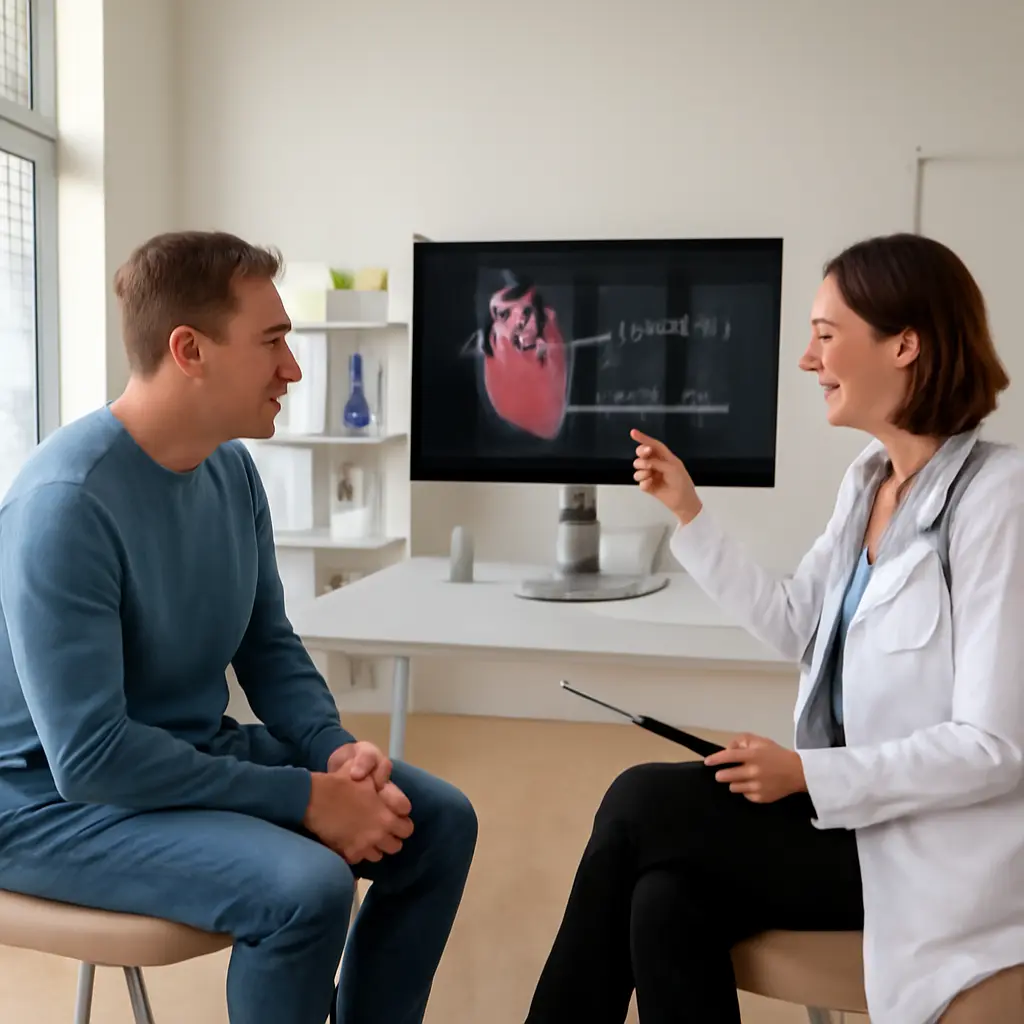
Heart tests turn the heart’s electrical activity, movement, and blood flow into information clinicians can use to investigate symptoms and guide care. An electrocardiogram (EKG or ECG) records electrical signals; imaging tests such as echocardiograms, CT scans, and MRIs show aspects of the heart’s structure or function. Knowing what each test can—and cannot—tell you helps […]

Surgery-Free Treatment Options That Doctors Recommend First
Surgery-Free Care: Treatments Doctors Often Recommend Before an Operation Surgery-free treatment means managing a health problem without an operation, using options such as watchful waiting, medication, physical therapy, lifestyle changes, or less-invasive procedures. For many non-emergency conditions, clinicians first consider these approaches because they may ease symptoms while avoiding the risks, recovery time, and cost […]

What happens when your cardiologist suggests the minimal approach
When a cardiologist recommends a minimal approach, they are suggesting that care begin with the least intensive option appropriate to the patient’s condition—not that symptoms or risks be ignored. Depending on the situation, this may mean monitoring, lifestyle changes, medication, or a less-invasive procedure rather than immediate surgery. The right choice depends on the diagnosis, […]

Pregnancy triggers heart problems in women who felt perfectly healthy before
Pregnancy can reveal or trigger heart problems in women who had no symptoms beforehand. Pregnancy-related heart disease includes conditions that first appear or worsen during pregnancy or after birth; it ranges from pregnancy-associated cardiomyopathy and high blood pressure to previously unrecognized structural or inherited disease. The American Heart Association reports that cardiovascular disease is a […]

Palpitations scare patients more than they should, sometimes anyway
Palpitations are sensations of a pounding, racing, fluttering, or skipped heartbeat. They can feel alarming, but the sensation alone does not reveal whether the cause is dangerous: many episodes reflect normal heart activity, stress, or a treatable trigger, while some signal an arrhythmia that needs prompt evaluation. The American Heart Association and National Health Service […]