
During open-heart surgery, artificial intelligence (AI) can help teams notice patterns that may signal danger, but it does not independently diagnose patients or guarantee that lives will be saved. In cardiac operating rooms, the most established AI-adjacent tools include predictive monitors, decision-support systems, and computer vision research that interprets live clinical data. Their value depends […]

Telemedicine expands access to cardiology care in rural communities
Telemedicine is the use of communication technologies to provide clinical care when patients and clinicians are in different locations. In cardiology, it can connect rural residents with specialists for consultations, monitoring, and follow-up without requiring every visit to involve a long trip. The approach matters because rural communities often face persistent shortages of physicians and […]

Structural heart disease requires expertise most hospitals lack
Structural heart disease refers to abnormalities in the heart’s valves, chambers, walls, or nearby major vessels that can disrupt blood flow and heart function. Treating it often requires specialized imaging, procedural skills, and coordinated care that are not available at every hospital. The need is growing: the Society of Thoracic Surgeons and American College of […]

The evolution of stent technology over the past two decades
Coronary stent technology has evolved from bare-metal scaffolds into a family of thinner, drug-releasing, and increasingly specialized devices designed to keep narrowed arteries open while reducing complications. Over roughly two decades, improvements in stent materials, drug coatings, delivery systems, and clinical decision-making have lowered risks such as restenosis and stent thrombosis for many patients. The […]

Bypass surgery unpacked for anyone considering the procedure
Coronary artery bypass grafting (CABG), often called bypass surgery, is an operation that routes blood around one or more narrowed or blocked heart arteries using a blood vessel graft. The American Heart Association describes CABG as a treatment for coronary heart disease that can improve blood flow to the heart and, for some patients, relieve […]

What cardiologists wish every patient understood about their heart
Your heart is a muscle and an electrical pump, but caring for it is not just about reacting to chest pain. Cardiologists want patients to understand that cardiovascular risk often develops silently, symptoms can look different from person to person, and everyday habits and prescribed treatments can substantially affect outcomes. The scale is significant: the […]

Why Some Patients Thrive on Medications While Others Need Procedures
Medications and procedures are different ways of changing how a disease affects the body: medicines act through chemical or biological pathways, while procedures physically alter, remove, repair, or examine tissue. Which approach helps most depends on the diagnosis, disease severity, anatomy, expected benefits and risks, and a patient’s circumstances—not simply on whether one treatment is […]
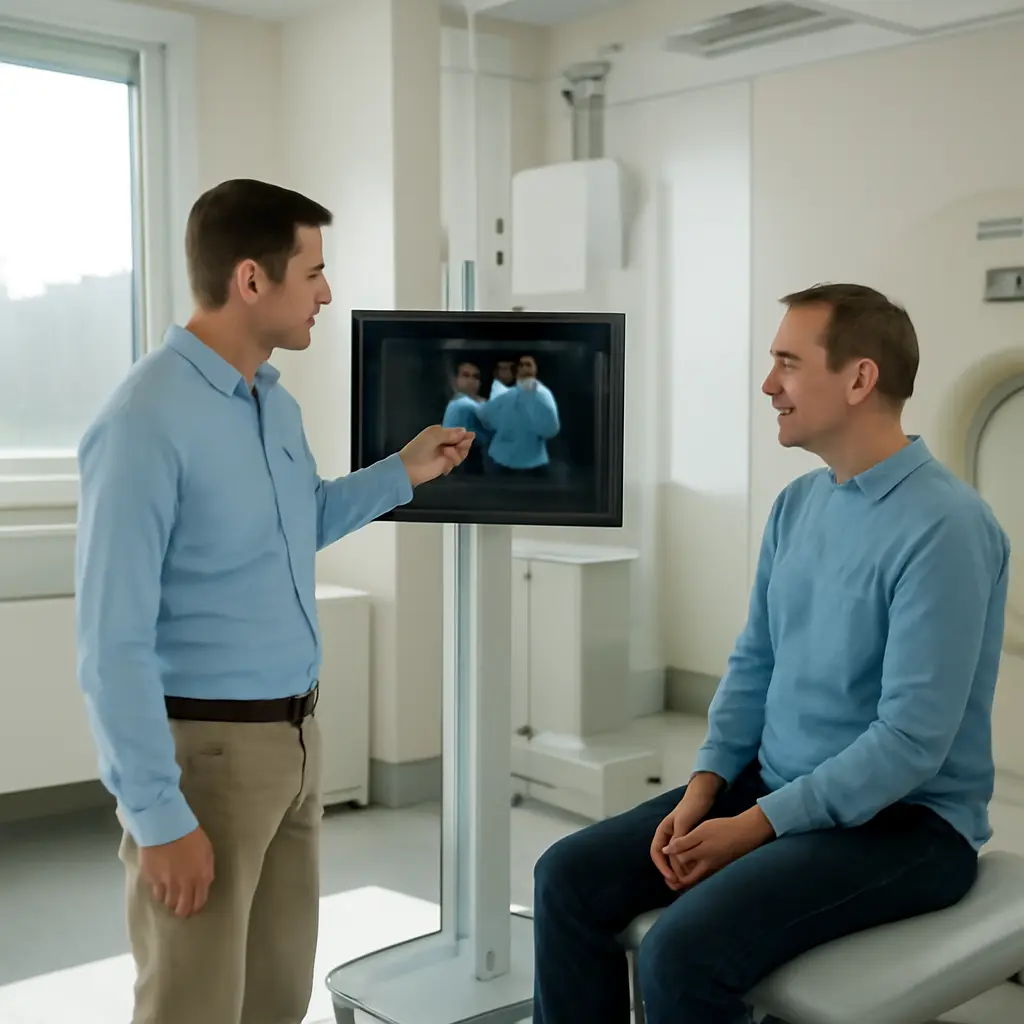
Cardiac Imaging Just Got Smarter and More Precise
Cardiac imaging combines technologies that show the heart’s structure, movement, blood flow, and tissue characteristics. It is becoming more precise through advances such as cardiac MRI, 3D echocardiography, cardiac CT, and AI-assisted analysis. These tools can help clinicians detect disease, measure risk, and plan treatment more accurately, although the best test depends on the clinical […]

Recovery moves faster when your heart procedure stays minimal
Minimally invasive heart procedures use smaller incisions or catheters to treat selected heart conditions while limiting disruption to the body. When a patient is an appropriate candidate, approaches such as transcatheter aortic valve replacement or radial-access coronary angioplasty can reduce early recovery burdens compared with some open operations or groin-access procedures. The benefit depends on […]

Adult patients discovering their childhood heart condition now needs intervention
Congenital heart disease (CHD) is a structural heart or blood-vessel difference present from birth. For some adults who were told their childhood condition was repaired or needed no treatment, a later change in symptoms, heart function, or test results can mean that intervention is needed after all. This may involve catheter-based treatment, surgery, a device, […]