
Your heart is a muscle and an electrical pump, but caring for it is not just about reacting to chest pain. Cardiologists want patients to understand that cardiovascular risk often develops silently, symptoms can look different from person to person, and everyday habits and prescribed treatments can substantially affect outcomes. The scale is significant: the […]
Author: George
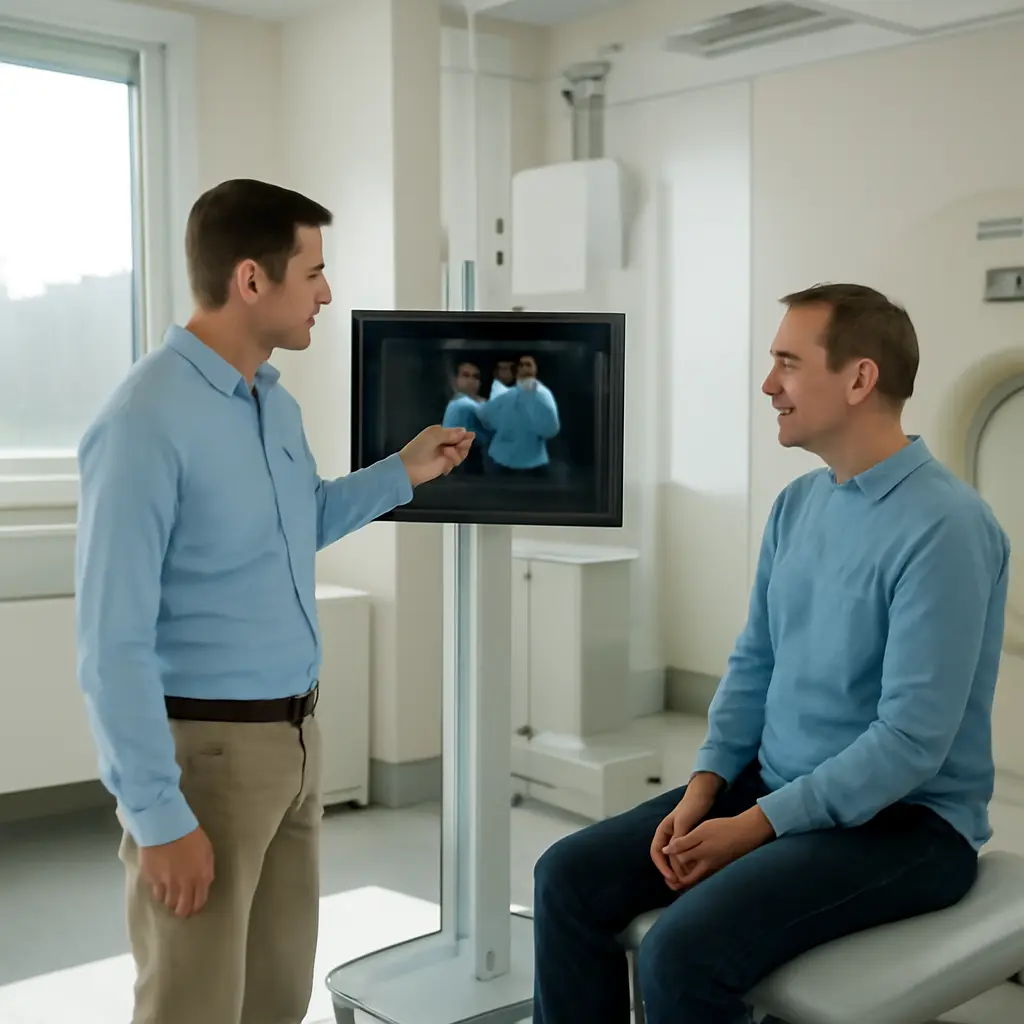
Cardiac Imaging Just Got Smarter and More Precise
Cardiac imaging combines technologies that show the heart’s structure, movement, blood flow, and tissue characteristics. It is becoming more precise through advances such as cardiac MRI, 3D echocardiography, cardiac CT, and AI-assisted analysis. These tools can help clinicians detect disease, measure risk, and plan treatment more accurately, although the best test depends on the clinical […]

Why Some Patients Thrive on Medications While Others Need Procedures
Medications and procedures are different ways of changing how a disease affects the body: medicines act through chemical or biological pathways, while procedures physically alter, remove, repair, or examine tissue. Which approach helps most depends on the diagnosis, disease severity, anatomy, expected benefits and risks, and a patient’s circumstances—not simply on whether one treatment is […]

Recovery moves faster when your heart procedure stays minimal
Minimally invasive heart procedures use smaller incisions or catheters to treat selected heart conditions while limiting disruption to the body. When a patient is an appropriate candidate, approaches such as transcatheter aortic valve replacement or radial-access coronary angioplasty can reduce early recovery burdens compared with some open operations or groin-access procedures. The benefit depends on […]

Beyond medication: the full spectrum of heart care
Heart care extends well beyond taking medication: it includes prevention, healthy daily habits, rehabilitation, emotional support, and coordinated clinical care. The World Health Organization reports that cardiovascular diseases caused an estimated 19.8 million deaths in 2022—about 32% of deaths worldwide—making comprehensive prevention and treatment a major public-health priority. A complete approach combines risk assessment and […]

Adult patients discovering their childhood heart condition now needs intervention
Congenital heart disease (CHD) is a structural heart or blood-vessel difference present from birth. For some adults who were told their childhood condition was repaired or needed no treatment, a later change in symptoms, heart function, or test results can mean that intervention is needed after all. This may involve catheter-based treatment, surgery, a device, […]

The technology transforming how we catch heart problems early
Wearable ECG technology is transforming how clinicians detect heart rhythm problems by recording electrical signals outside the clinic and making longer-term monitoring easier. An electrocardiogram (ECG or EKG) measures the heart’s electrical activity; consumer smartwatches can capture a single-lead tracing, while medical-grade patches and implantable monitors can record for days to years. These tools can […]

Is Pericarditis Behind Your Chest Pain and Shortness of Breath
Pericarditis is inflammation of the pericardium, the thin sac surrounding the heart. It can cause sharp chest pain and shortness of breath, but those symptoms also occur with heart attack, pulmonary embolism, and other emergencies—so they cannot identify pericarditis on their own. The 2015 European Society of Cardiology guidelines estimated acute pericarditis accounts for about […]

The real difference between dangerous and harmless heart palpitations
Heart palpitations are sensations of a racing, pounding, fluttering, or skipped heartbeat. They are often caused by harmless premature beats, stress, stimulants, or other temporary factors—but the sensation alone cannot reliably tell you whether the cause is benign or dangerous. The real distinction is the heart rhythm and the context: palpitations accompanied by fainting, chest […]

Different heart rhythms explained and what they signal about health
Heart rhythms are the patterns and speeds at which the heart’s electrical system makes its chambers contract. A steady rhythm is usual, but rhythms that are too fast, too slow, or irregular can be harmless in some circumstances or signal a problem that needs care. The American Heart Association estimates that atrial fibrillation (AFib), the […]